10 Essential Tips for Creating the Perfect Backyard Playground

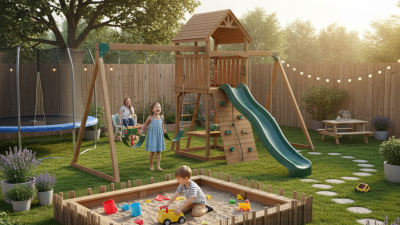
Creating a backyard playground can transform your outdoor space into a vibrant hub of fun. According to playground design expert Dr. Emily Hart, "A thoughtful backyard playground sparks creativity and joy in children." This highlights the importance of careful planning.

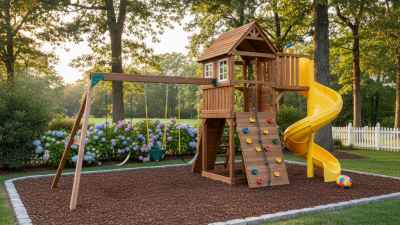
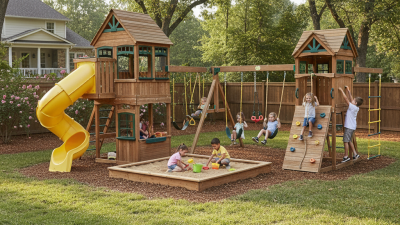
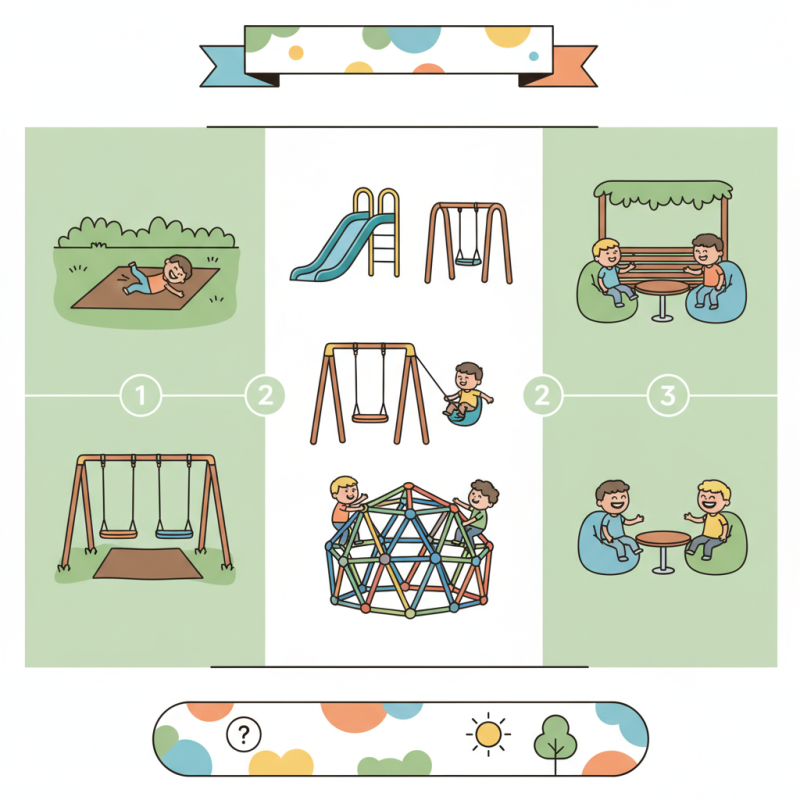
When designing your backyard playground, consider safety first. The ground should be soft, like grass or rubber mats. Additionally, think about the equipment. Slides, swings, and climbing structures can provide endless entertainment. However, remember that overloading the space may lead to chaos rather than joy.

A great backyard playground is not just about equipment. It also needs areas for rest and social interaction. Incorporating seating and shaded spots can greatly enhance the experience. As you embark on this project, reflect on your unique environment. What amenities can you add to create a truly engaging space?
10 Essential Tips for Creating the Perfect Backyard Playground

Choosing the Right Location for Your Backyard Playground
10 Essential Tips for Creating the Perfect Backyard Playground

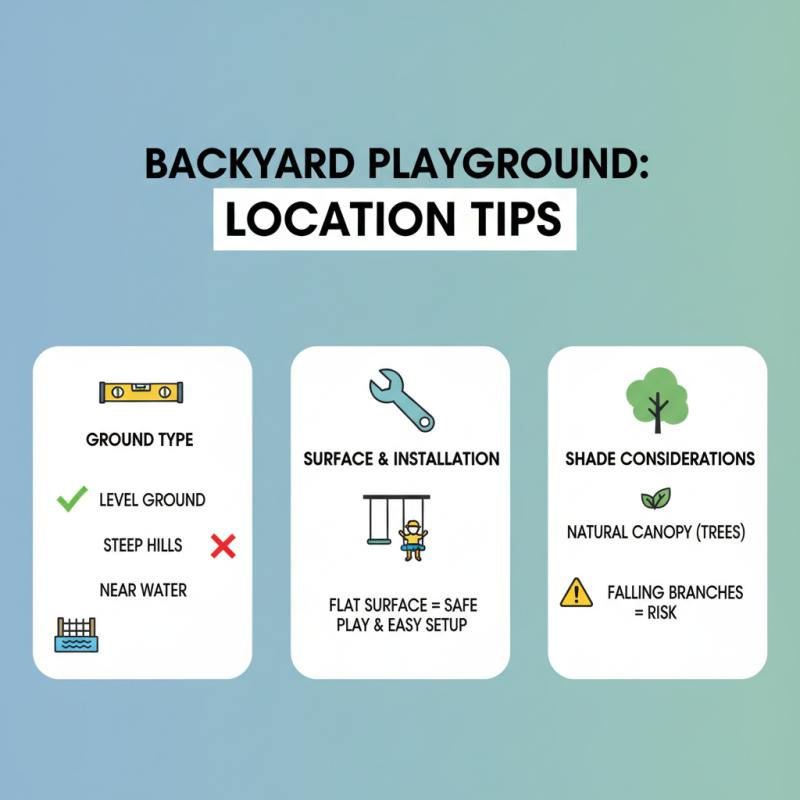
Choosing the right location for your backyard playground is crucial. Look for an area with level ground. Avoid spots near steep hills or water bodies. A flat surface allows for safe play and easy installation of equipment. Also, consider shade availability. Trees provide a natural canopy. However, falling branches can be a risk.

Think about proximity to your home. You want to keep an eye on the kids while they play. If the playground is too far, it may feel isolated. This can also hinder supervision. Check the visibility around your backyard. High fences might offer privacy but can cut off sightlines.

Lastly, observe the sun’s path. Morning sun warms up equipment but can lead to scorching afternoons. A balance between sunlight and shade is key. You want a comfortable play area without constant worry of overheating. Consider nearby obstacles, too. Play structures need space to prevent collisions. An ideal area feels open yet safe.
Selecting Safe and Durable Playground Equipment

When it comes to creating a safe and engaging backyard playground, the selection of equipment is crucial. According to the American Academy of Pediatrics, about 200,000 children visit emergency rooms each year due to playground-related injuries. Prioritizing safety will help reduce these statistics.

Choosing durable materials is essential. Look for equipment made from rotationally molded plastic, which lasts longer and withstands harsh weather. Wooden structures should be pressure-treated to prevent rot. Additionally, check for safety certifications like ASTM and CPSC compliance. These ensure the equipment meets national safety standards.

Tip: Consider the age range of the children who will play. For younger kids, choose lower slides and softer equipment. For older children, more challenging structures like climbing walls can encourage physical activity.

Don't forget about impact-absorbing surfaces. Grass might seem inviting, but it's not always safe. Rubber mulch or safety mats are better options as they reduce fall impact significantly. Remember, while cost is a factor, it shouldn’t be the only one. Investing in quality equipment ensures safety and longevity.

Incorporating Natural Elements into Playground Design

10 Essential Tips for Creating the Perfect Backyard Playground

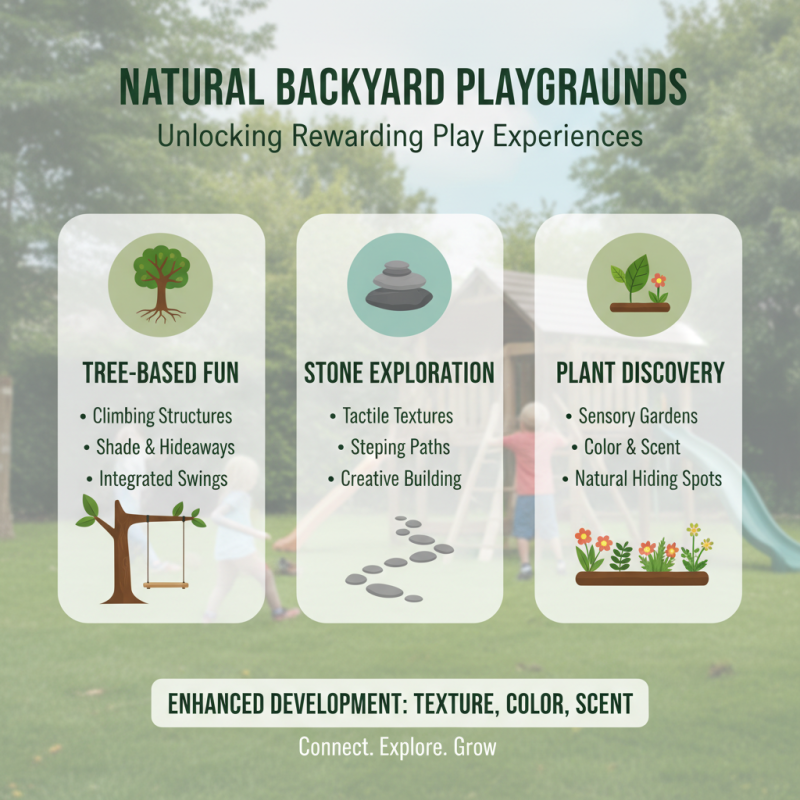
Creating a backyard playground can be a rewarding experience, especially when integrating natural elements. Using features like trees, stones, and plants makes the playground feel alive. Kids can explore textures, colors, and scents, which enhances their play.

**Tip:** Choose a soft grass area for a safe landing zone. This invites kids to run freely while providing a cushion if they fall. Adding natural shades, like a large tree, offers a cozy spot for parents to relax while supervising play.

Consider integrating logs or boulders as climbing structures. Kids can improve balance and coordination while engaging with the environment. However, ensure the materials are safe and kid-friendly. It’s essential to supervise play around these features to avoid accidents.

**Tip:** Plant native flowers to attract butterflies. This not only beautifies the playground but also educates children about nature. Yet, remember that maintenance is vital. Without it, weeds may take over and diminish the playground’s appeal. Embracing imperfections in design can also lead to creative solutions. For example, a sloped area could become a fun slide with a bit of hands-on effort.

Creating Accessible Play Areas for All Children

Creating a backyard playground that is accessible to all children is essential. It’s important to think about every child’s needs. Start by ensuring pathways are wide enough for wheelchairs and strollers. Smooth surfaces prevent accidents and make movement easier. Add rubber matting or soft grass to enhance comfort and safety.

Incorporate play structures that cater to various abilities. For instance, choose swings that accommodate all children, including those with physical challenges. These swings allow every child to enjoy playtime together. Ensure that climbing areas have support features. Children may need help accessing heights safely. Make sure there are options for all ages, so siblings can play side by side.

Consider sensory aspects, too. Colorful elements and tactile surfaces offer stimulation for children with sensory needs. Water features can be engaging for many. Don’t forget shaded areas for rest. Reflect on how often children can gather together. Inclusivity should be at the forefront of your design choices. Keep an open mind and adapt when necessary. Each playground can improve for every child's enjoyment.

Ensuring Safety Standards and Regular Maintenance for Playgrounds

Creating a backyard playground is an exciting project, but safety should always come first. One key aspect is to select safe materials. Ensure that your surfaces are soft, like grass or mulch, to cushion falls. Regular inspections of equipment are vital. Look for rust, loose screws, or broken components that could pose a risk. Parents often overlook these details, thinking play equipment is durable. Even a small crack can lead to accidents.

Routine maintenance is crucial. It’s a good idea to set a schedule every month to check the playground. Inspect all equipment and remove any debris. This allows kids to play safely without hazards. Remember, the safety features need to be user-friendly, not just efficient. Sometimes, parents forget to educate their children about safe play. Teach them not to overcrowd slides or swings. Such lessons can prevent injuries.

Involving the children in the maintenance process can be beneficial. They learn the importance of taking care of their playground. Engage them in picking up litter or checking if the sandbox needs fresh sand. It might not always be perfect, but fostering responsibility ensures a safer play area. Each small step in maintaining the playground emphasizes the importance of safety and fun.

10 Essential Tips for Creating the Perfect Backyard Playground - Ensuring Safety Standards and Regular Maintenance for Playgrounds

Tip Description Safety Standard Maintenance Frequency
1. Choose Safe Materials Use non-toxic, durable materials for playground equipment. ASTM F1487-21 Yearly
2. Proper Ground Cover Install a soft ground cover like rubber mulch or grass. CPSC Guidelines Semi-annually
3. Regular Inspections Conduct regular inspections for wear and safety hazards. EN 1176 Monthly
4. Age-Appropriate Equipment Ensure equipment is suitable for the age group using it. CPSC Guidelines Yearly
5. Install Safety Signs Clearly post rules and safety information. OSHA Standards As needed
6. Adequate Space Ensure there is enough space between equipment. ASTM F1487-21 Annually
7. Weather Considerations Regularly assess the playground for weather-related damage. CPSC Guidelines Monthly
8. Secure Fastenings Check all fastenings and connection points regularly. EN 1176 Quarterly
9. Clear Debris Regularly remove debris and obstacles from the area. CPSC Guidelines Weekly
10. Community Involvement Engage the community in maintenance and monitoring. Local Guidelines Ongoing