Top Tips for Choosing the Best Play Sets for Your Kids?
When it comes to selecting the best play sets for your孩子, expert advice is essential. According to Jennifer Rice, a leading authority in child development, “Play sets inspire creativity and foster essential life skills.” Her insight emphasizes the importance of choosing the right play equipment. Children need safe and engaging environments to learn and grow.
Navigating the vast array of play sets can be overwhelming for parents. Options range from simple swings to elaborate jungle gyms. It's crucial to assess your child's age and interests. Consider durability and safety standards when evaluating each option. Many play sets promise fun but may lack the quality needed for long-term use.
Don't forget about maintenance. Some play sets require regular checks and upkeep. This is often overlooked, leading to safety concerns. Making informed choices can be challenging, but understanding what features to prioritize will guide your decision. Play sets should not just be fun; they must also encourage exploration and learning.
Understanding the Importance of Play Sets in Child Development
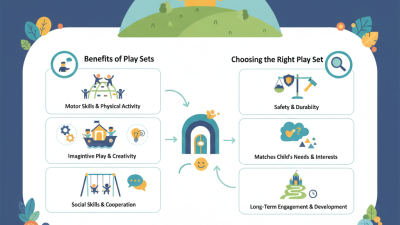
Play sets play a critical role in child development. They offer opportunities for imaginative play, social interaction, and physical activity. According to a study published in the American Journal of Play, children who engage in unstructured play exhibit higher levels of creativity and cognitive flexibility. This suggests that the right play set can significantly enhance a child's ability to think outside the box.
Physical play is equally important. The Centers for Disease Control and Prevention recommends at least 60 minutes of physical activity per day for children. Climbing frames, slides, and swings promote gross motor skills and improve coordination. However, not all play sets meet safety standards. In a 2021 report by the Consumer Product Safety Commission, nearly 200,000 injuries were linked to playground equipment. This highlights the need for careful selection when choosing play sets.
Social development benefits greatly from play sets as well. Children learn essential skills such as cooperation and conflict resolution while playing together. Research indicates that children with frequent access to play environments exhibit improved social skills. Yet, some parents underestimate the importance of supervised play. Free play without guidance can sometimes lead to misunderstandings or conflicts. Balancing independence and supervision is crucial in ensuring a positive play experience.
Key Factors to Consider When Selecting Play Sets
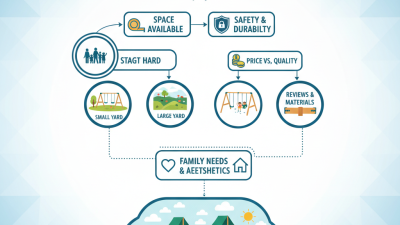
Choosing the right play set for your children involves several key factors. Safety should always be a top priority. Check materials used in construction. Look for non-toxic options that will withstand rough play. Sharp edges or small parts can pose hazards. Ensuring a play set is durable can prevent accidents.
Consider the age and interests of your kids. A set suitable for toddlers may not engage older children. Think about their preferences. Climbing structures may excite some, while others may prefer swings. Variety keeps their playtime stimulating.
Space is another critical aspect. Measure your yard to ensure the play set fits comfortably. Don't forget to leave room for safe movement around it.
Installation and maintenance are often overlooked. Some sets may require professional installation, which adds to the cost. Regular checks for wear and tear are essential. Kids can be rough on play equipment. Addressing issues early can extend the life of a play set. Reflect on your family's needs before choosing, as the perfect play set may not exist. Keep an open mind and be willing to adapt.
Evaluating Safety Features and Materials for Play Sets
When choosing a play set for kids, safety features and materials should be prioritized. According to the American Academy of Pediatrics, injuries related to playground equipment are a leading cause of emergency room visits among children. It is essential to select play sets that meet safety standards established by organizations like ASTM International. Look for certifications that indicate compliance with these guidelines.
Consider the materials used in the play set. Pressure-treated wood is popular but should be free of hazardous chemicals. Plastic components should be high-density polyethylene, as it is UV-resistant and does not splinter. Ensure that metal parts are powder-coated to prevent rust and reduce heat during sunny days.
Regular maintenance checks are crucial. Look for loose screws, rusted bolts, or wear and tear. Frequent inspections can help identify potential hazards. Educate your kids on safe play practices as well. Discuss the importance of using equipment as intended. Encourage them to take turns and be mindful of others, fostering a safer play environment.
Comparing Different Types of Play Sets Available on the Market
When selecting a play set for your kids, consider the various types available. Wooden play sets are a popular choice. They offer durability and a classic look. These structures can withstand the test of time, making them a long-term investment. However, they require maintenance to prevent rot and splinters.
Plastic play sets are lightweight and often easier to move. They come in vibrant colors and fun shapes. Kids adore them, but they may not last as long as wooden options. It's worth noting that some plastics can fade over time.
Metal play sets are another option, typically seen in public parks. These are robust but can become hot in the sun, posing a safety risk.
While evaluating play sets, think about the age range and interests of your children. Some sets include slides and swings, which can enhance playtime. Others focus more on climbers or forts, encouraging imaginative play. Safety features, like rounded edges and secure anchor points, are essential.
Take the time to read reviews and compare options. A well-informed choice will provide lasting joy for your kids.
Budgeting for Your Child's Play Set: What to Keep in Mind
When budgeting for a play set, it's essential to consider both your finances and your child's needs. According to the American Society for Testing and Materials (ASTM), quality play sets typically range from $200 to $3,000. This broad range reflects the diversity in materials, size, and complexity. Parents often find themselves torn between affordability and durability. While a lower price tag is tempting, cheaper materials may lead to safety issues later on.
Think about the space available in your yard. A compact set might initially seem less expensive, but neglecting space utilization can lead to future costs if you decide to upgrade. Research indicates that play sets should occupy at least 6 feet of space around them for safety reasons. Many experts suggest allocating 10-15% of your overall budget for maintenance and upgrades. These hidden costs can catch parents off guard. It's crucial to plan for the inevitable wear and tear.
Consider where the play set will be purchased. Some retailers offer assembly services, which can influence the total budget. When evaluating assembly fees, ensure to factor them into your overall costs. Online reviews and safety certifications from reliable agencies, such as ASTM and the Consumer Product Safety Commission, can guide your decision-making. Prioritizing safety and long-term satisfaction should always trump the allure of a low price.
Budgeting for Your Child's Play Set: What to Keep in Mind