Top 10 Ultimate Outdoor Play Ideas for Kids Today
In a world largely dominated by screens, finding ways to encourage ultimate outdoor play for kids is essential. Outdoor activities promote physical health, creativity, and social skills. They allow children to explore nature and connect with their surroundings.
Imagine your child racing through a field, laughter echoing as they discover new worlds. These experiences are invaluable. However, it's easy for parents to overlook opportunities for active play. Some may worry about safety or feel uncertain about how to engage their children outdoors.
By providing structured outdoor activities, parents can witness their kids thrive. They can learn resilience, teamwork, and ingenuity. The challenge, however, is making outdoor play both fun and engaging. Explore these top 10 ultimate outdoor play ideas. Each idea encourages imagination and offers a chance for memorable adventures. Let’s dive into these creative options and inspire your child's outdoor journey.
Creative Outdoor Games for Children to Enhance Social Skills
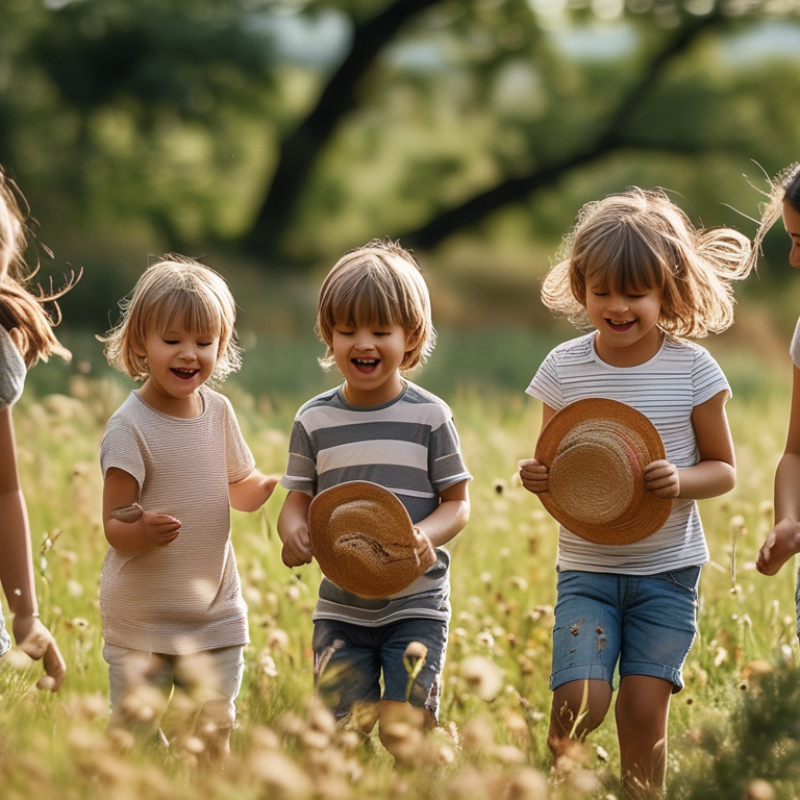
Outdoor play can significantly enhance children’s social skills. When kids engage in games outside, they interact with peers actively. They learn to cooperate, negotiate, and resolve conflicts. For example, playing tag requires agreement on rules, fostering communication.
Group activities like scavenger hunts promote teamwork. Children must work together to find items. This cooperative spirit nurtures friendships and collaboration. However, challenges can arise. Some children may struggle to share tasks. It’s crucial to guide them through these moments. Reflecting on their experiences helps develop empathy and understanding.
Outdoor sports also encourage healthy competition. When children compete, they learn to celebrate victories and accept losses. They practice graciousness, an essential social skill. Creating a supportive environment is key. Kids should feel safe to express emotions, both positive and negative. Ultimately, these experiences shape their interactions long-term.
Fun Nature Exploration Activities to Foster Curiosity and Learning
Exploring nature can spark curiosity in children and enhance their learning experiences. Engaging in outdoor activities promotes cognitive development and physical health. A report by the American Academy of Pediatrics emphasizes that outdoor play leads to improved focus and creativity. Kids who spend more time outside tend to perform better academically.
Consider setting up a scavenger hunt in your local park. Kids can search for specific leaves, rocks, or insects. This activity encourages them to observe their surroundings closely. Parents can also guide the exploration by asking questions about the items found. Make it fun by including small rewards for completing tasks.
Another great idea is nature art. Gather natural materials like twigs, flowers, or stones. Kids can use these items to create beautiful artworks. This hands-on experience fosters creativity and teaches them about the environment. With each project, encourage discussions about where the materials come from and their role in the ecosystem.
Nature explorations offer a chance to connect with the environment. Kids learn valuable lessons through play. Embrace every opportunity for learning, and take time to reflect on the experiences. Mistakes are part of the journey, and every discovery can lead to new questions.
Top 10 Ultimate Outdoor Play Ideas for Kids
DIY Outdoor Projects to Encourage Imagination and Creativity
Outdoor play is essential for children's development. DIY projects can transform any backyard into a creative playground. Start with building a simple nature explorer kit. Gather magnifying glasses, notebooks, and collecting bags. Children can observe insects, plants, and rocks. This sparks curiosity and learning.
Another engaging idea is to create a mud kitchen. Use old pots, wooden spoons, and random kitchen tools. Kids can mix mud, leaves, and flowers to cook up imaginative dishes. They immerse themselves in sensory play. It’s messy, but that’s the beauty of it. Sometimes, the end result isn't perfect, and that’s okay. Kids learn to embrace trial and error.
Setting up a fairy garden is a delightful activity. Use small figurines and natural elements like stones and twigs. Kids can design and decorate their own magical spaces. Not every garden will look professional, and that’s part of the charm. This encourages them to think creatively and problem-solve. Let their imaginations run wild in these DIY projects.
Exciting Team Sports for Kids to Promote Physical Fitness and Teamwork
Team sports provide an excellent way for children to enhance their physical health while fostering essential social skills. Soccer, basketball, and volleyball are popular choices that promote teamwork and collaboration. These sports teach kids to communicate effectively with their peers and strategize together. In a soccer game, for instance, players must pass the ball and support one another to score. This dynamic environment cultivates a sense of belonging and shared purpose.
However, not all children may initially feel comfortable in a team setting. Some shy away from competition, fearing failure or embarrassment. Coaches and parents should recognize these feelings and help children understand that it's okay to make mistakes. Emphasizing improvement over winning can relieve pressure. Encouraging consistent participation, even when progress is slow, can significantly boost their confidence.
Outdoor play should include various sports to keep kids engaged. They can explore different activities until they find one that resonates with them. Incorporating fun drills and friendly matches can spark interest and enthusiasm. Sometimes, children need time to discover their passions. Every child has unique strengths. Highlighting those can lead to a more positive experience in team sports.
Nature-Inspired Art Activities to Connect Children with Their Environment
Engaging children in nature-inspired art activities fosters a deeper connection with the environment. Research indicates that spending time outdoors improves cognitive development, creativity, and overall well-being in children. In fact, a study published in the Journal of Adventure Education and Outdoor Learning highlights that children who participate in nature-based activities show increased problem-solving skills and emotional resilience.
Consider scavenger hunts that encourage kids to gather natural materials. Leaves, twigs, and stones can be transformed into art projects. For instance, using twigs to create shapes or using leaves for print art can spark creativity. These activities boost fine motor skills as children learn to manipulate different textures and materials. Parents can further enhance the experience by discussing the importance of preserving nature during these projects.
Despite the benefits, challenges exist. Not every child feels comfortable outdoors. Some may resist getting dirty or engaging with natural elements. It's essential to create a positive atmosphere where children can explore without pressure. If a child hesitates, gentle encouragement can help them overcome their fears. By valuing each child's unique response to nature, we can nurture their relationship with the environment effectively.